

RXBio Translates Sequence to Science and Industry

 中文
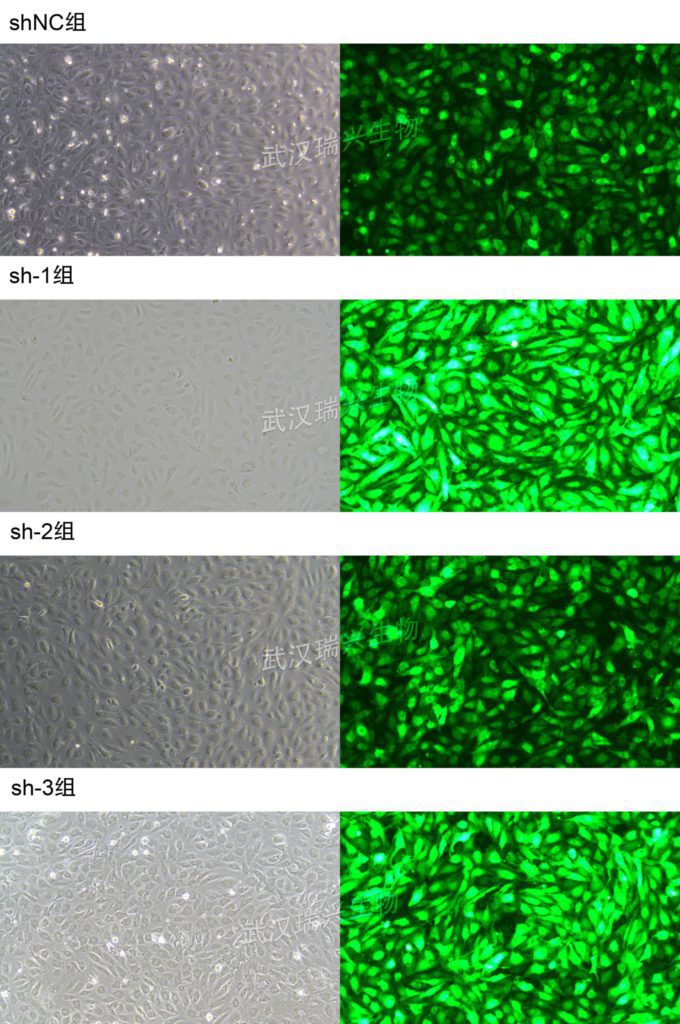
中文To study the function of a certain gene, a relatively common approach is to construct cell knockdown/overexpression models, and then investigate the changes at the transcriptome level as well as the genes, pathways and phenotypes regulated by it. The commonly used methods for constructing knockdown/overexpression cell models are: transient transfection of plasmids/shRNA/siRNA and lentiviral infection to prepare stable cell models.
However, different cells require different transfection conditions and methods. For different genes of interest, should knockdown or overexpression be chosen? How to conduct accurate quality control to ensure the reliability, authenticity, high quality and reproducibility of the subsequent sequencing data and phenotypic experimental results? These will become the key factors for accurately constructing cell knockdown/overexpression models.
✔ Our company has an experience library covering over a hundred kinds of cell transfection operations and projects, and can tailor the optimal transfection plan for the cell model you desire.
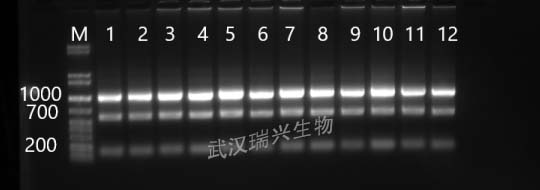
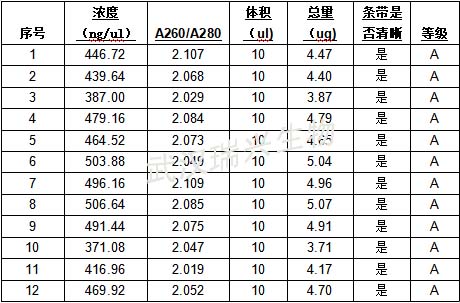
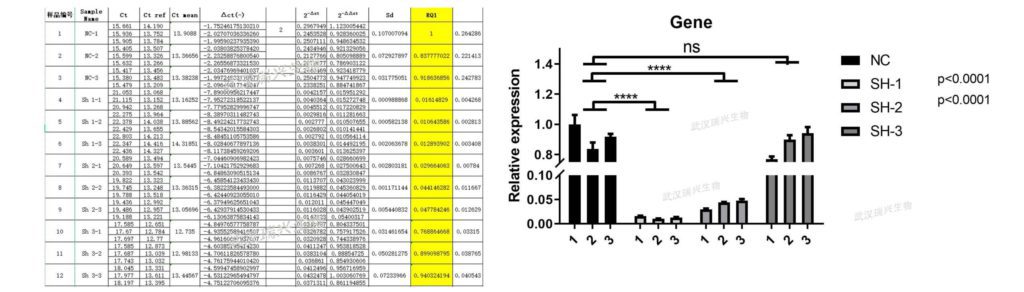
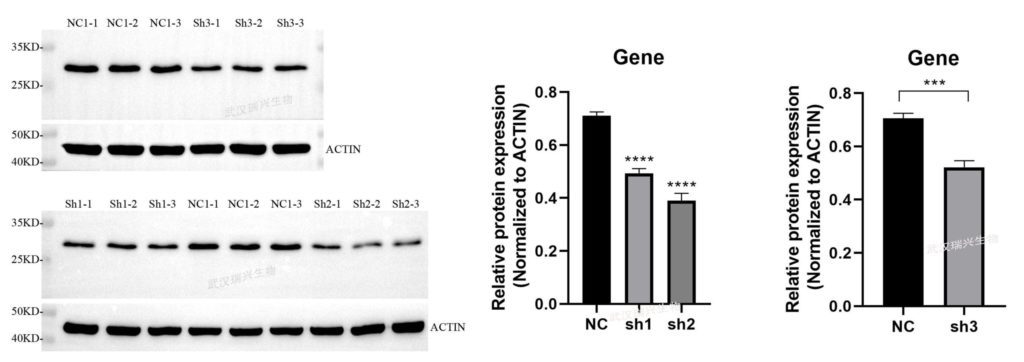
✔ With strict quality control at every step, we can ensure the reliability, authenticity, high quality and reproducibility of the subsequent sequencing data and phenotypic experimental results.
✔ We provide data analysis, graphing, and English materials and methods, as well as detailed raw data, to safeguard your article publication.
✔ Examples of published articles.
✔ Our company has experience in over a hundred kinds of cell culture and transfection, covering various disease types, as shown in the table on the right (including but not limited to these).
Delivery Contents:
A. Raw data of all experimental results.
B. Experimental reports (including detailed experimental procedures and the manufacturer and catalog number information of the main instruments and reagents).
C. English materials and methods.