RXBio Translates Sequence to Science and Industry

 中文
中文Cell lines have been widely used in the research of various diseases nowadays due to their characteristics such as unlimited passage and proliferation, the ability to be cultured in vitro, and simple culture conditions. However, the sharing of cell lines is quite common, and the requirements for the cell culture environment are rather stringent, which are difficult for many laboratories to provide. As a result, experiments are conducted using wrong or contaminated cell lines, consuming a great deal of researchers’ time, energy and money, and the obtained results are difficult to reproduce or are even unusable. According to statistics, more than 30,000 papers have used cells with incorrect identities or cells that have lost their value, and the cells in 60% of laboratories at home and abroad are troubled by mycoplasma contamination.
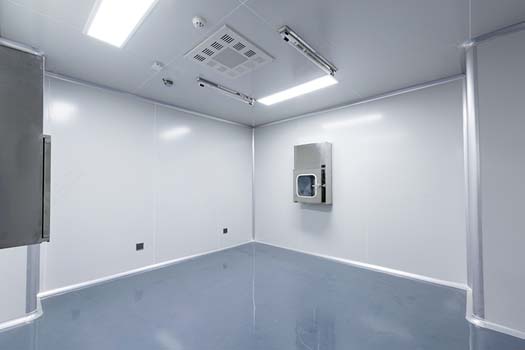
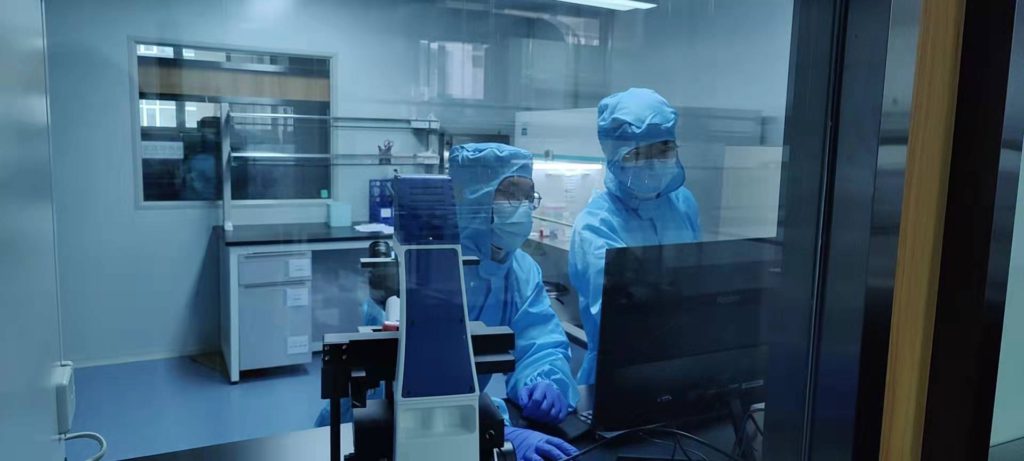
✔ Our company provides a cell culture clean room with a cleanliness level of 100,000 grades. The cells used are all sourced from reliable cell banks at home and abroad. Each cell has its own “identity card” – STR identification report (for human cell lines) / species identification report (for non-human cell lines) / immunofluorescence identification report (for primary cells).
✔ Our company attaches great importance to mycoplasma contamination, which is the most concealed and difficult to deal with among cell contaminations, and has developed a complete set of mycoplasma prevention and treatment plans:
1. Eliminate the cells with pollution sources from the source and maintain a clean seed bank.
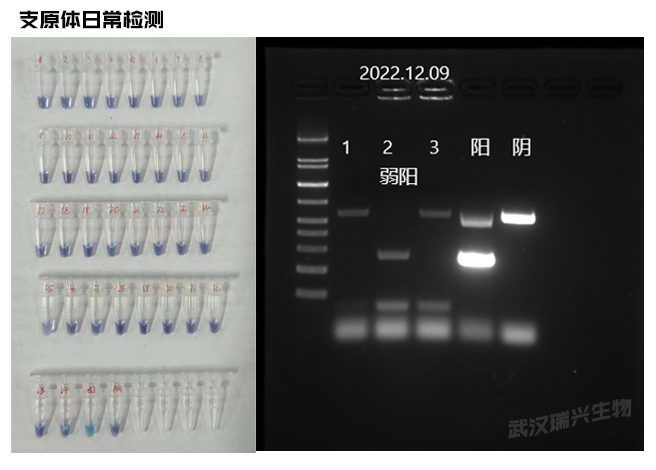
2. Use stable mycoplasma detection kits recognized in the industry to conduct routine weekly detections and detections before the preparation of project samples. Timely detection and timely treatment are carried out to achieve dynamic zeroing.
3. Regarding the problem of mycoplasma contamination in our clients’ precious cells, our company has summarized multiple mycoplasma elimination schemes, which have been effectively applied to various cells and can assist in eliminating mycoplasma contamination within precious cells.